THE INVENTION OF LOVE
by Tom Stoppard
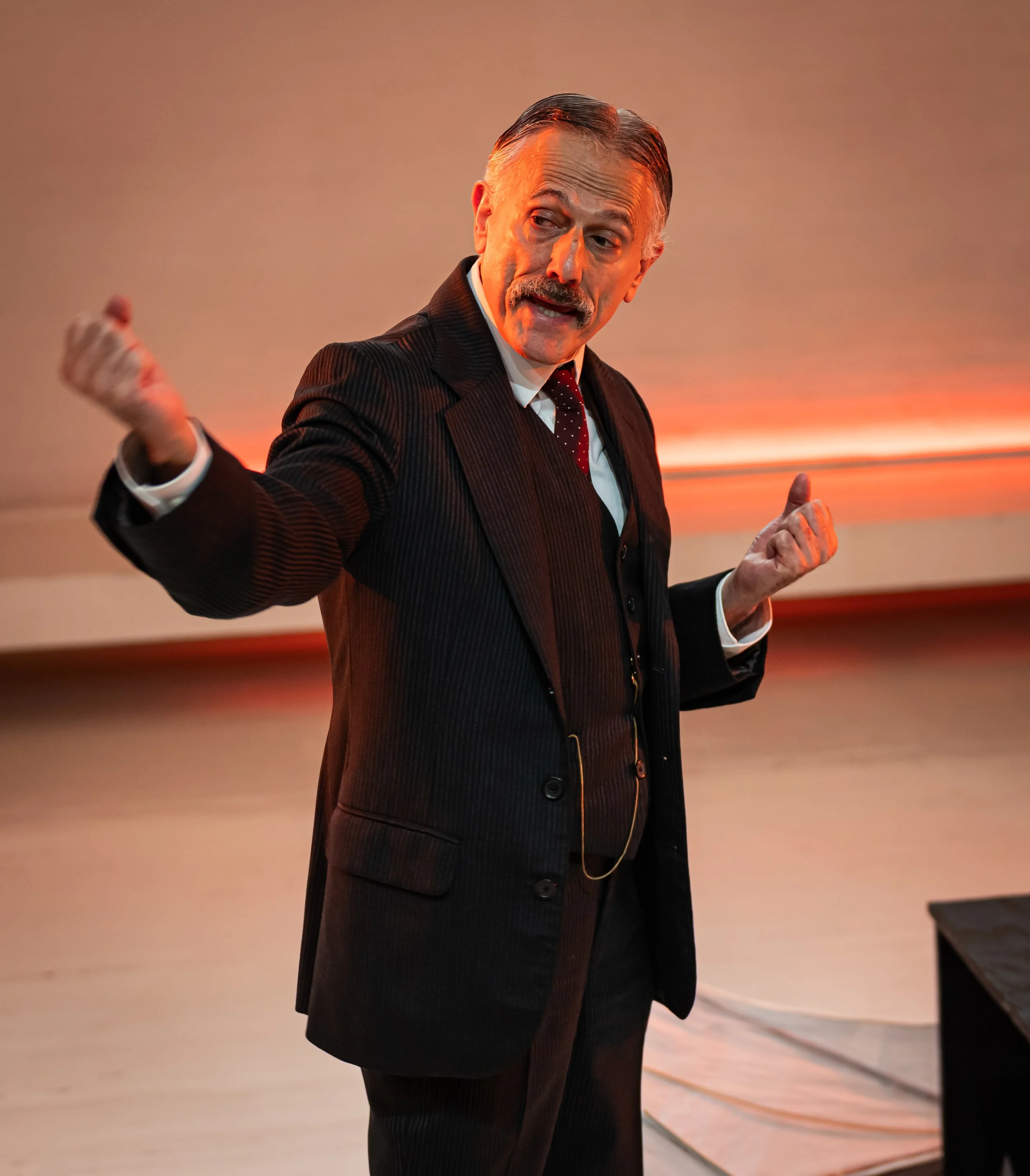
with
Sam Bolen, Annabel Capper, José Espinosa, Leland Fowler, David Greenspan, Abrar Haque, Daniel Liu, Yaron Lotan, & Spencer Lutvak
production stage manager: Rebecca Hanai Malamud
set designer: Bridget Lindsay
costume designer: Alyssa Korol
lighting designer: Paige Seber
composer: Julian Hornik
line producer: Maya Shore
assistant director: Laurie Bashford
press: Everyman Agency
production photos: Paul Lutvak
PRESS:
David Greenspan is currently doing one of the many things he does with seemingly inexhaustible energy and total aplomb: dedicating his chops and Off Broadway clout to the work of a young director and ensemble, this time as the catalyst for an intimate and lovely revival of Stoppard’s underproduced jewel The Invention of Love.
Thank goodness for companies like the MAP and directors like Zachary Elkind.
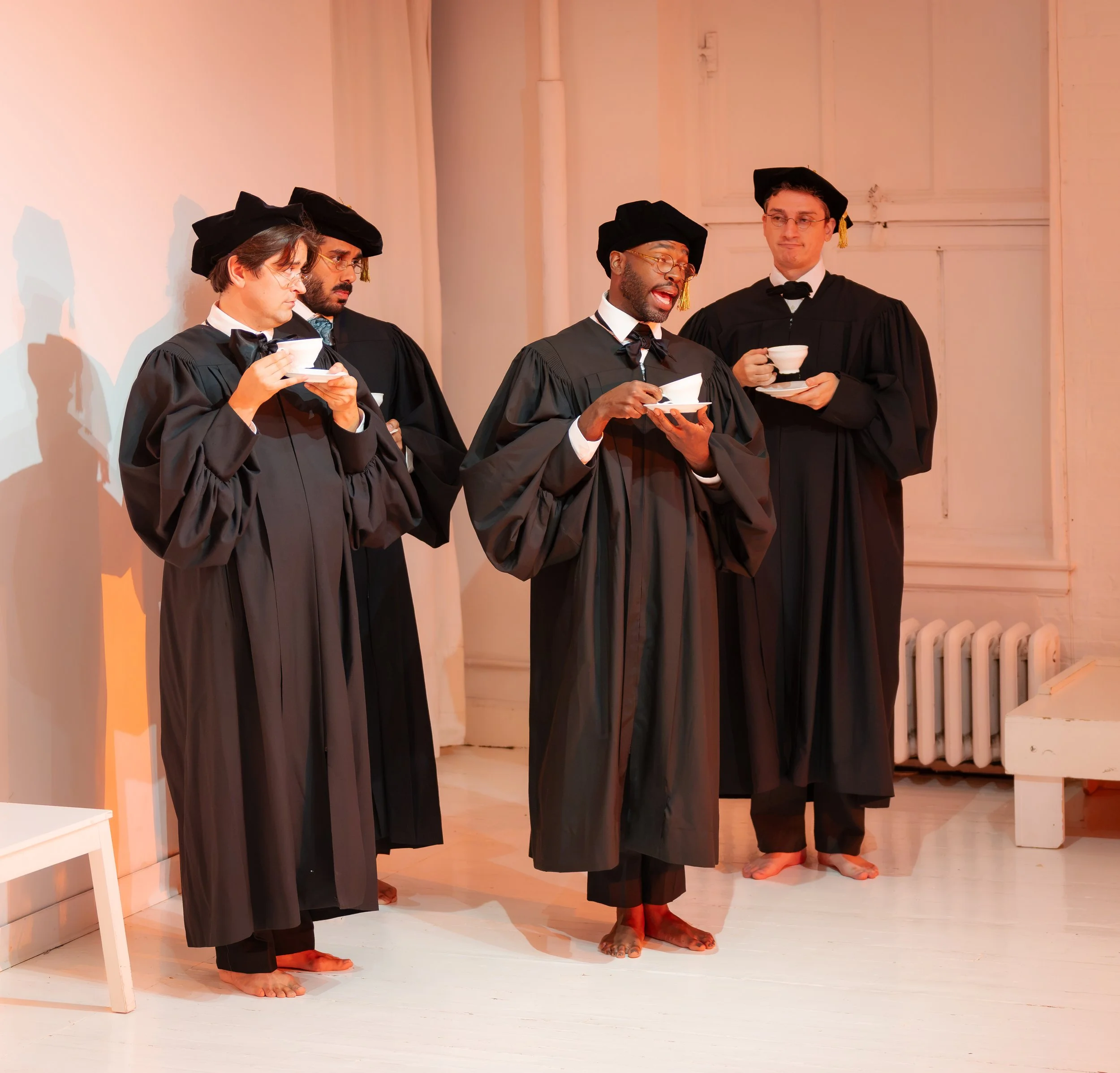
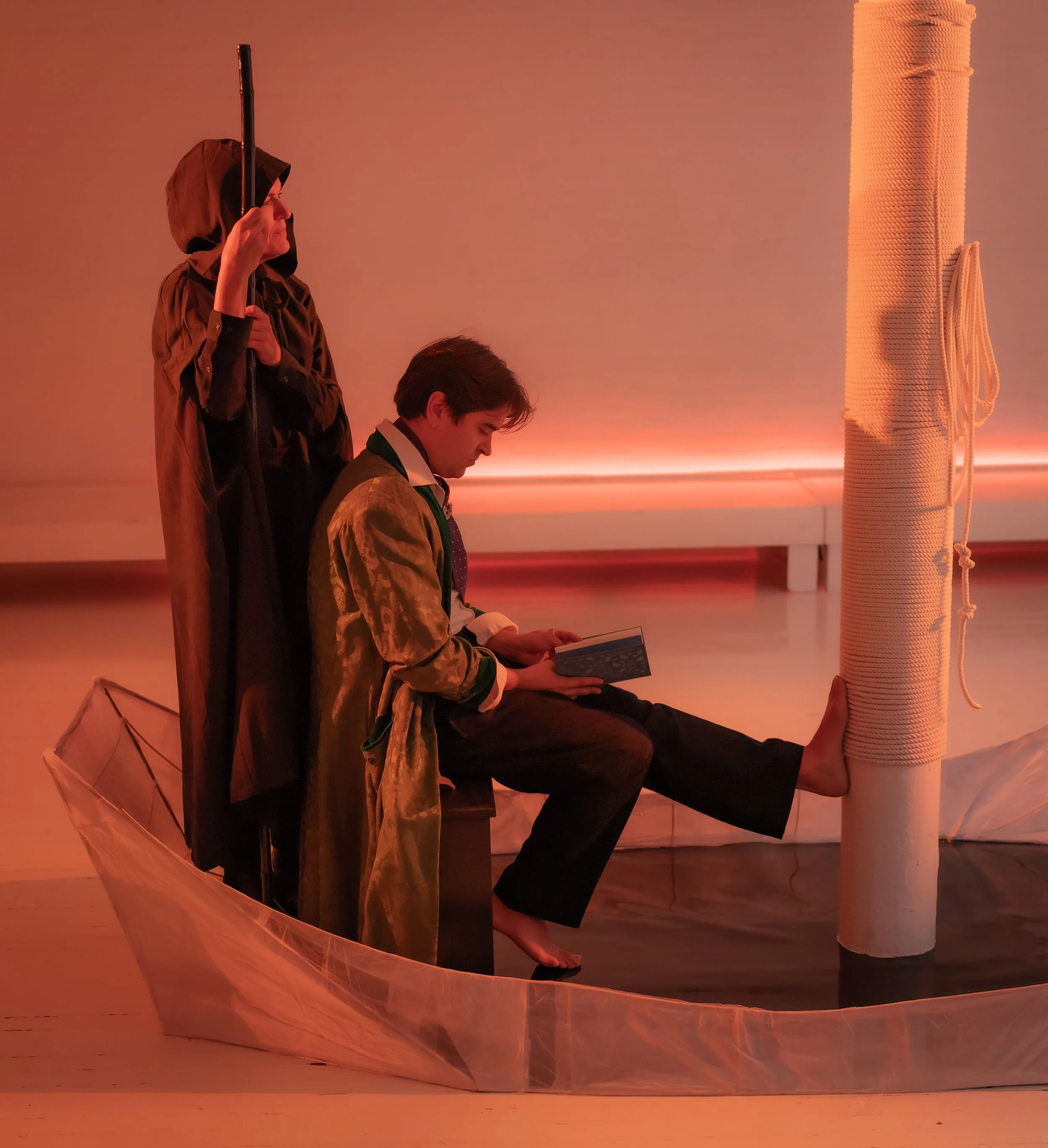
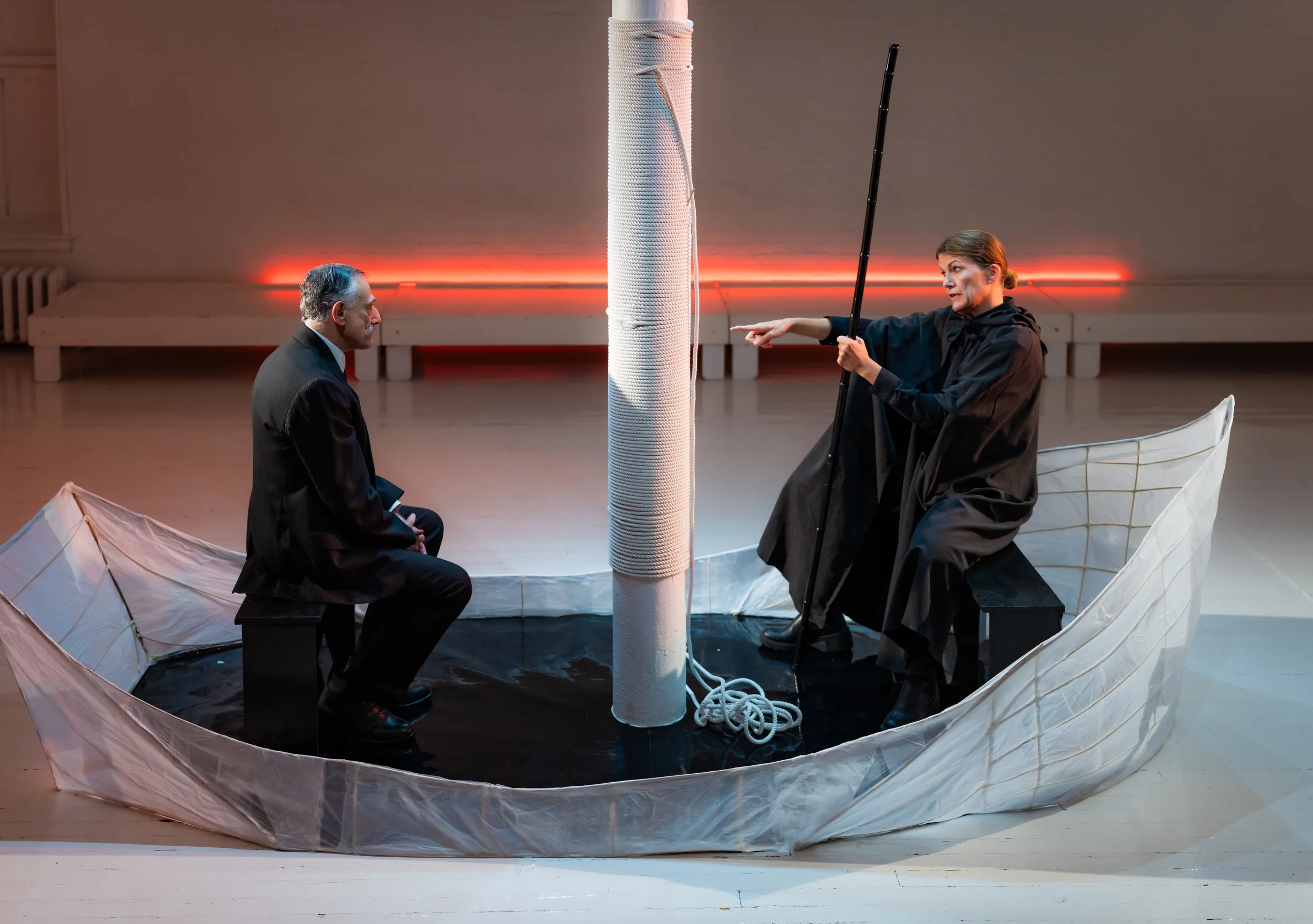
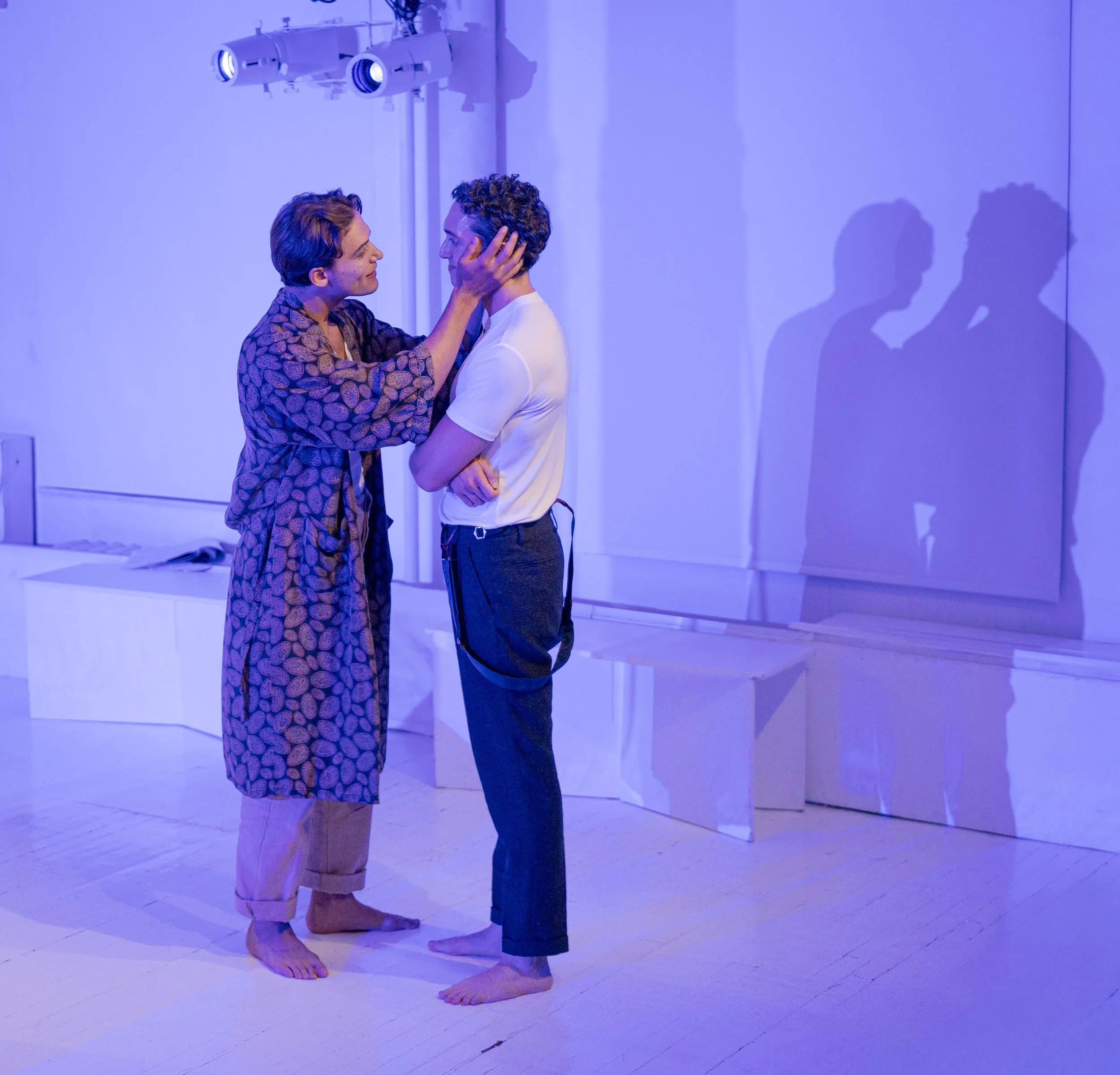
I left the show — which Elkind stages with an effective blend of buoyancy and stillness on Bridget Lindsay’s spare, purgatorial set — with the feeling the playwright’s work is always capable of delivering in good hands: buzzy, wide awake, like my brain had been washed in seltzer.
There is no writer like Stoppard for advocating gloriously, with such relish in the argument, for both form and chaos — the miraculous possibility of meaning and the painful, worthwhile human mess that will, for the most part, obscure it. Art, his plays contend and demonstrate, is the synthesis, transcendent because it both organizes and demolishes. As such, it — like love, its progenitor and its progeny — is what will become of us.
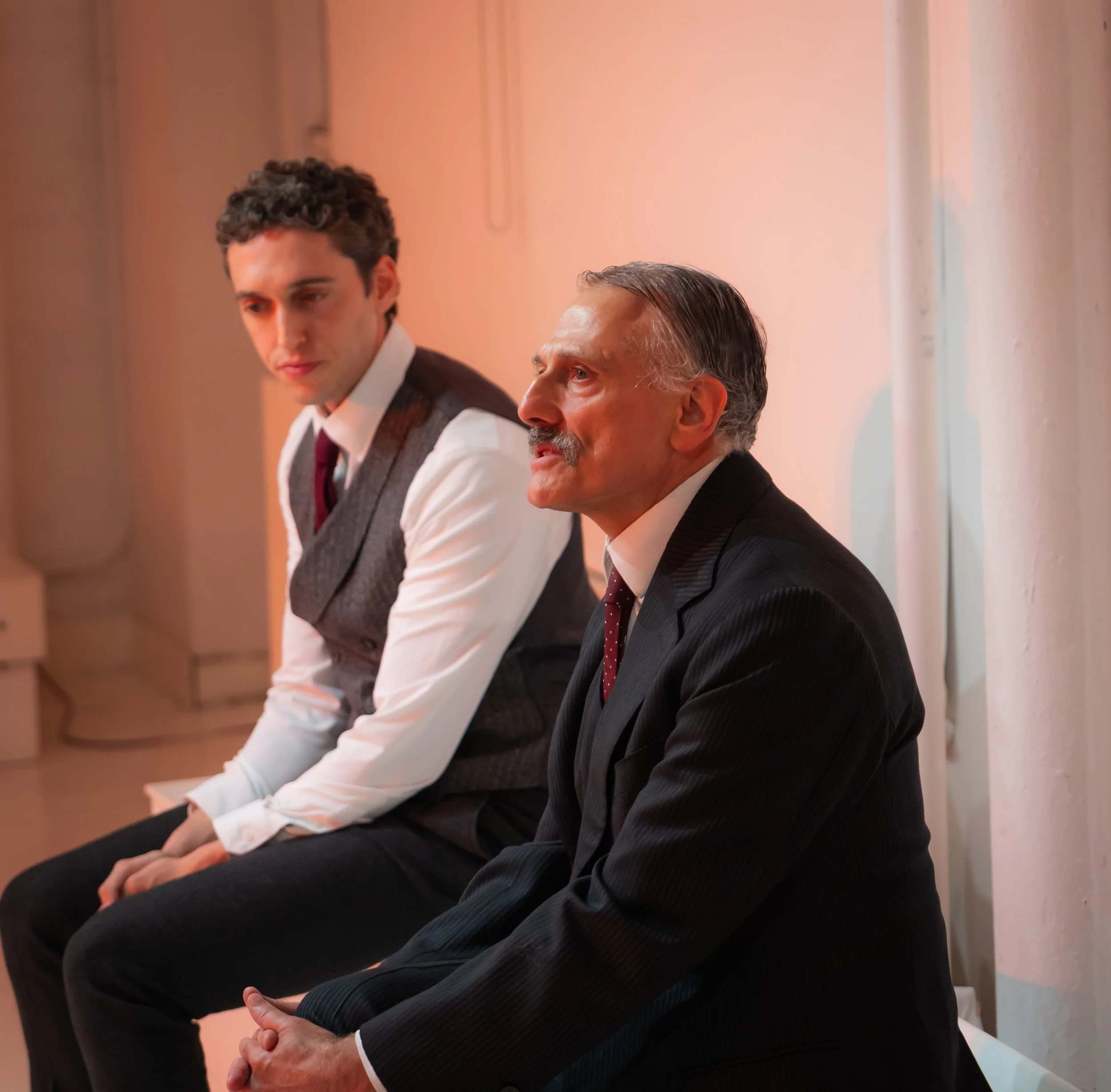
Tom Stoppard’s The Invention of Love”opens with the freshly dead classicist and poet A. E. Housman (David Greenspan) reminiscing about his days at Oxford, astir with fin-de-siècle aestheticism and the titillations of his fellow-undergraduate Oscar Wilde (Sam Bolen, transfixing in this role and two others). But the young Housman (Yaron Lotan) took more interest in another student, the strapping Moses Jackson (José Espinosa), for whom his feelings were epitomized by the bond between Achilles and Patroclus, and between other close-knit comrades of antiquity, the field to which he devoted himself. Stoppard’s allusiveness is daunting but rewarding—something recognized by the director, Zachary Elkind, whose low-tech but resourceful staging refuses to pander.