ZACHARY ELKIND | work samples
EXILES
by James Joyce
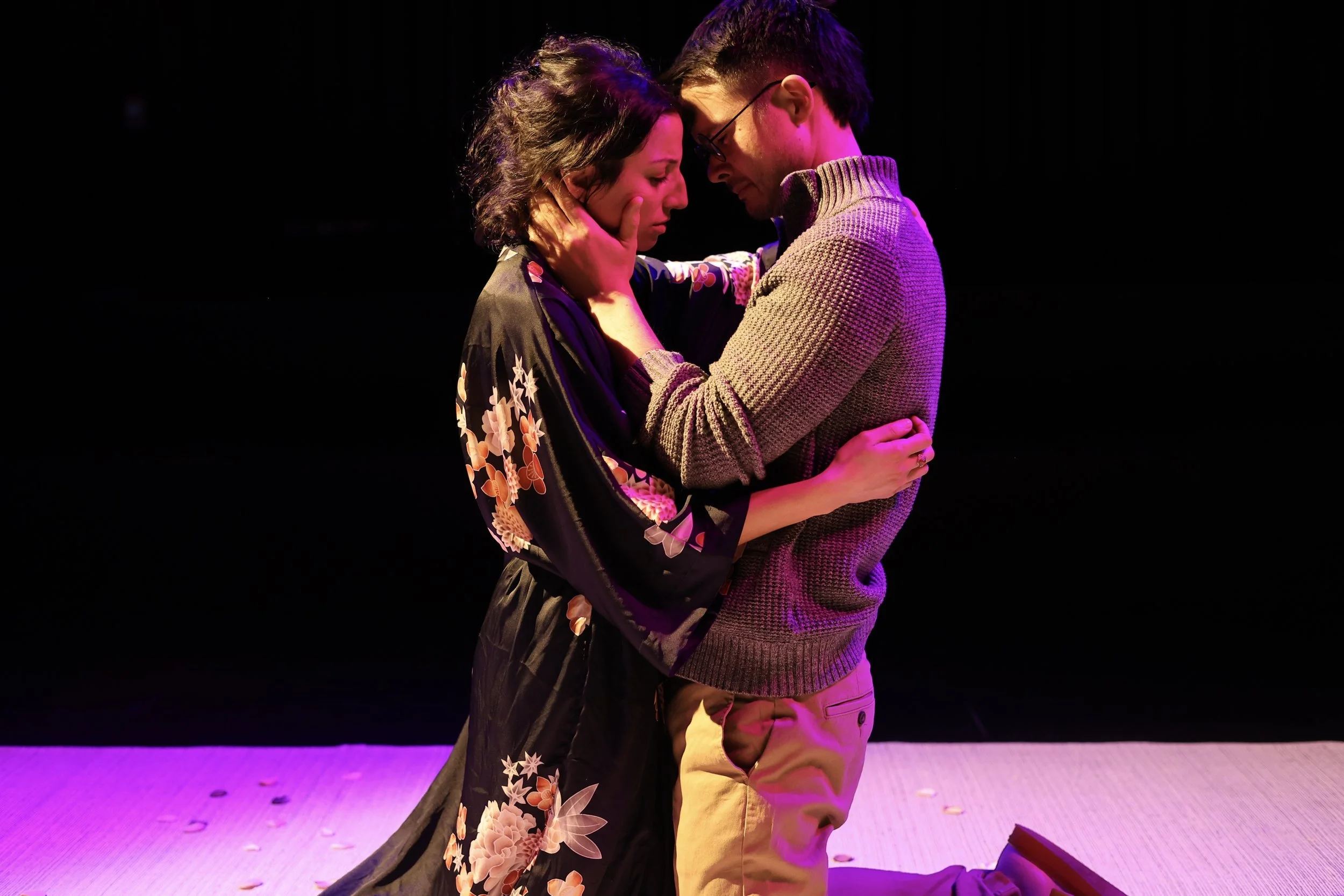

PRESS:
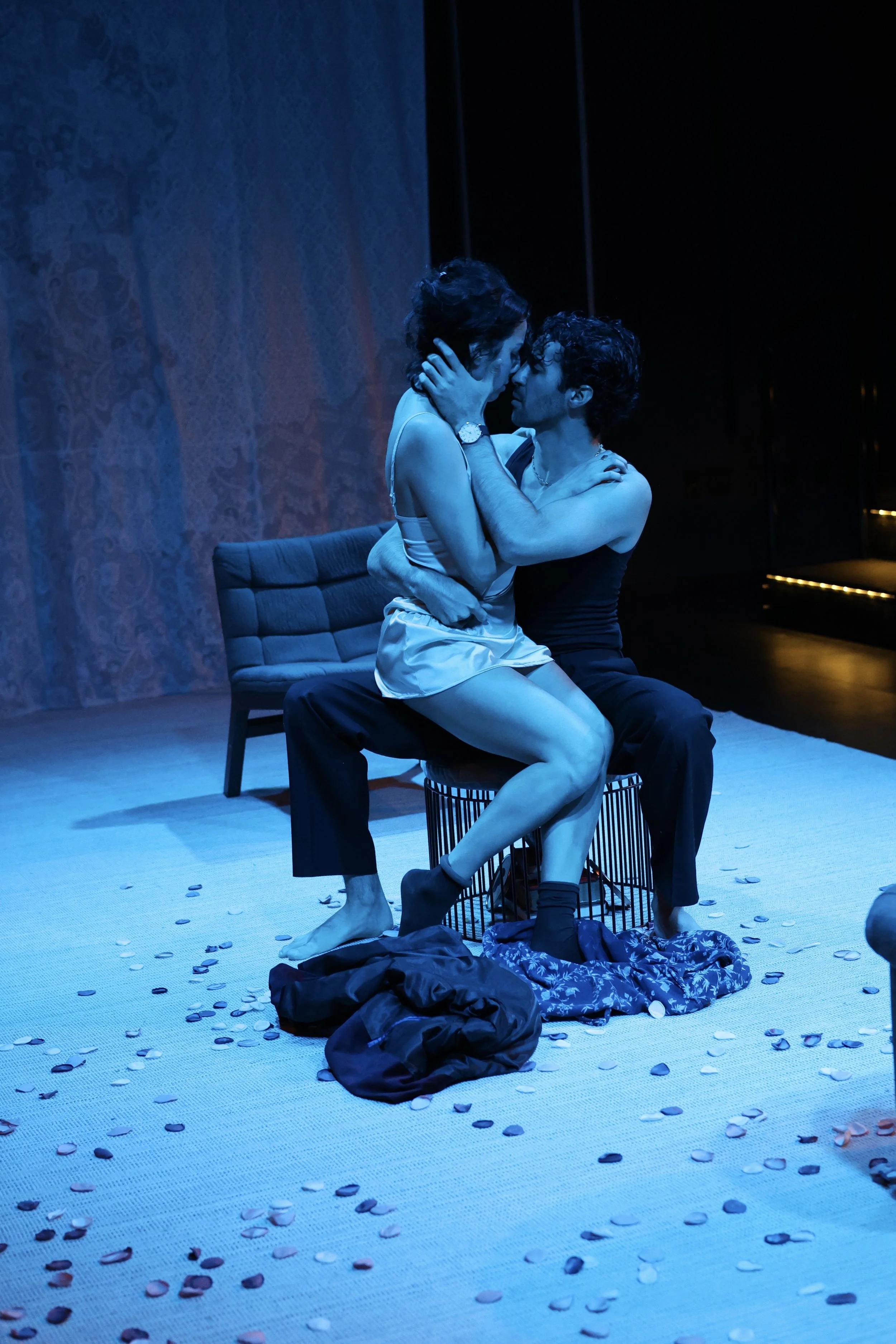
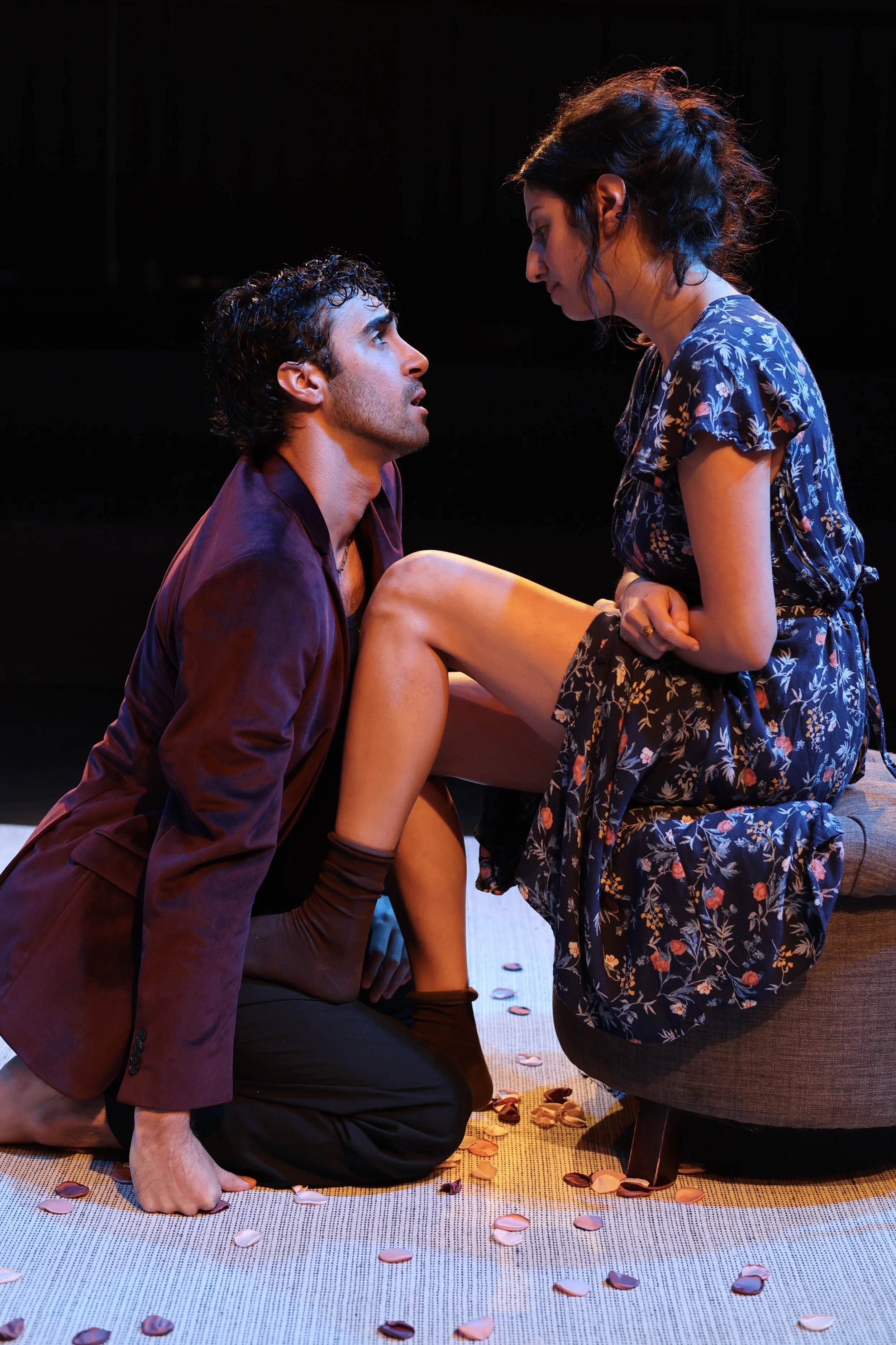
“They move about the stage in a slow dance of seduction. With their subtle glances and tender touches, they are ready to play. Even their loose-fitting clothes slip seductively as they dance. Hot hot hot! ” — Theater Pizzazz
“On a very small, sparse stage in the heart of Hell’s Kitchen is presented a treasure for all who consider themselves Joyceans […] What is revealed here is just how thrillingly sexy nuance can be, and how the simple gesture of kissing the hand of a beloved can be charged with possibility and promise.” — Times Square Chronicles
“This scintillating revival is presented by the New York City-based Off-Broadway troupe The MAP Theater. It joyously reveals that Exiles is a viable and important work of dramatic literature, and not merely a seldom performed literary curio […] Mr. Elkind’s auteurist direction is a glorious exhibition of ingenious stagecraft. Exiles is performed runway style, with the audience seated on opposite sides of the long rectangular playing area, enabling intimate exchanges between the fearless ensemble to resonate even further. Elkind’s use of contemporary music and bold presentational flourishes achieve a modern dimension without compromising the specificity of the play’s time period.” — Theater Scene
IF WE KISS
by Rachel Vail
PRESS:
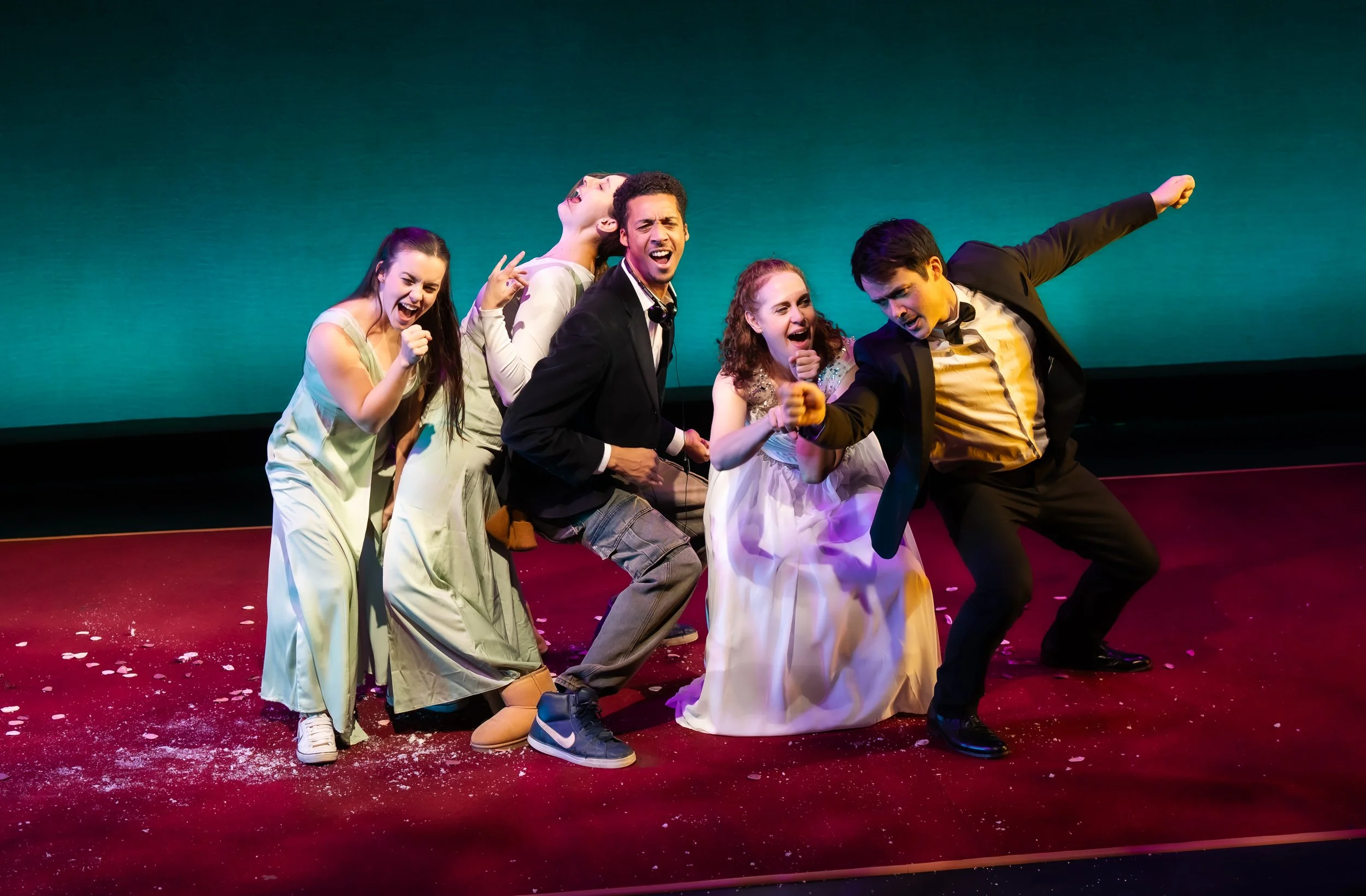
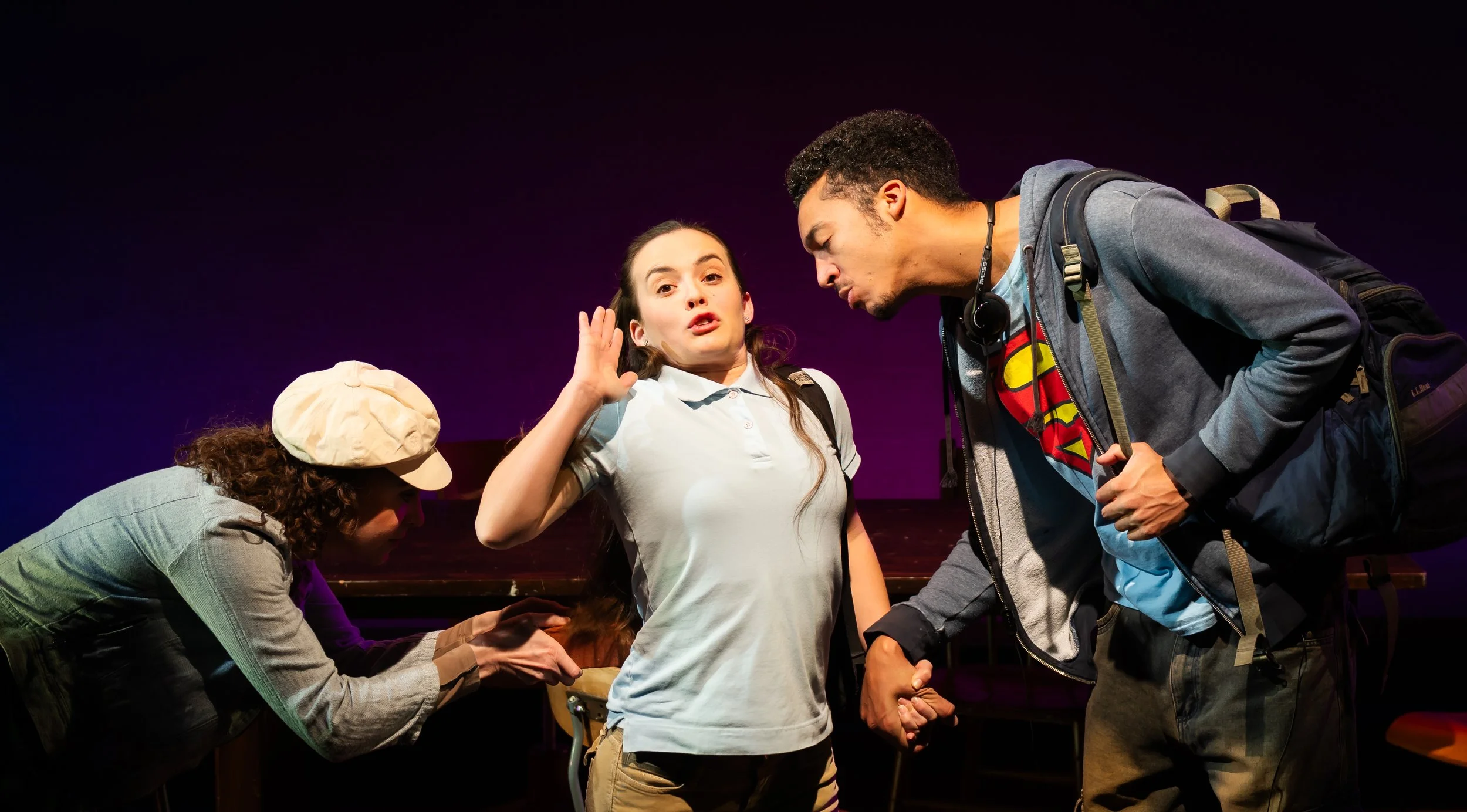
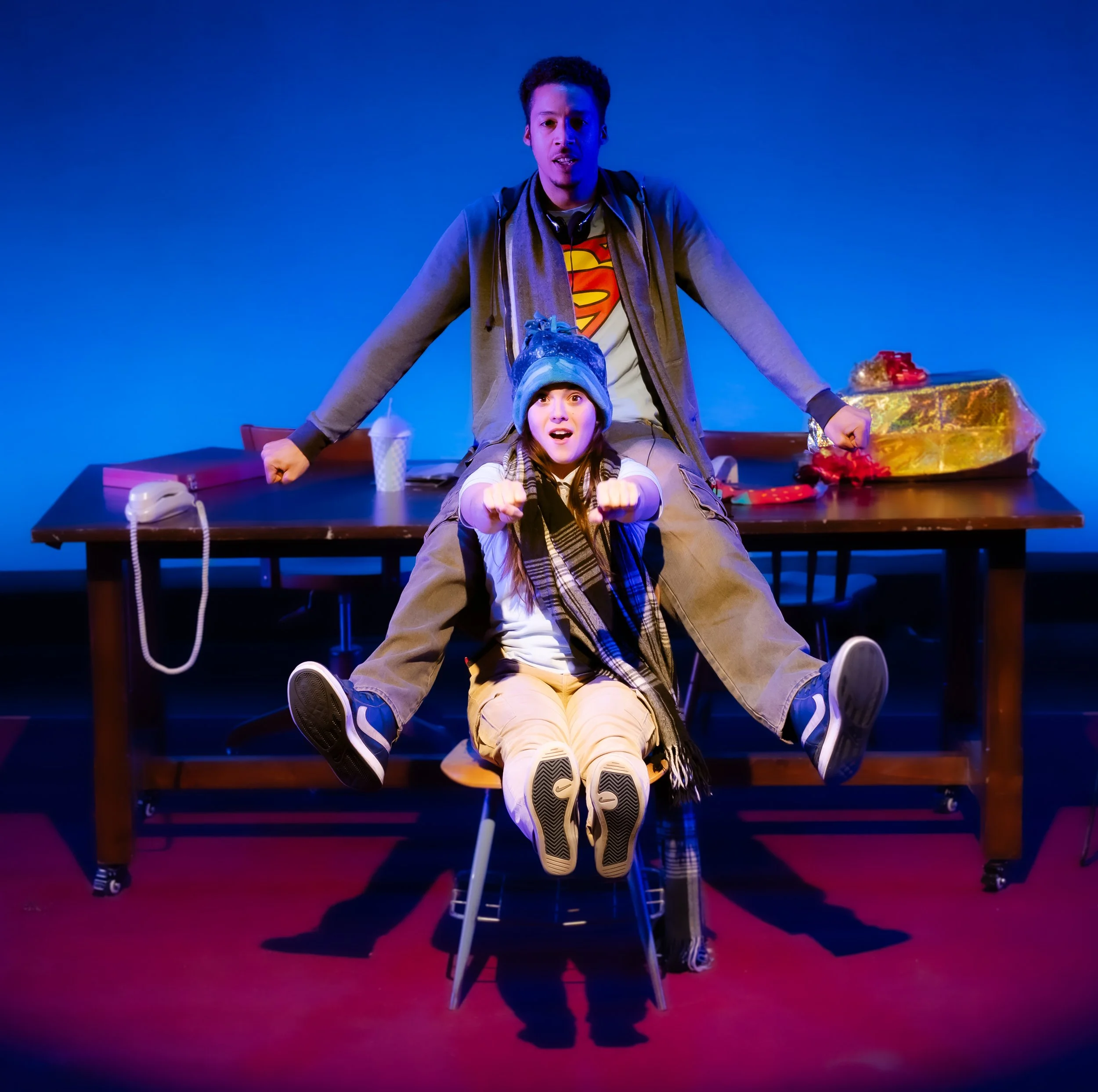
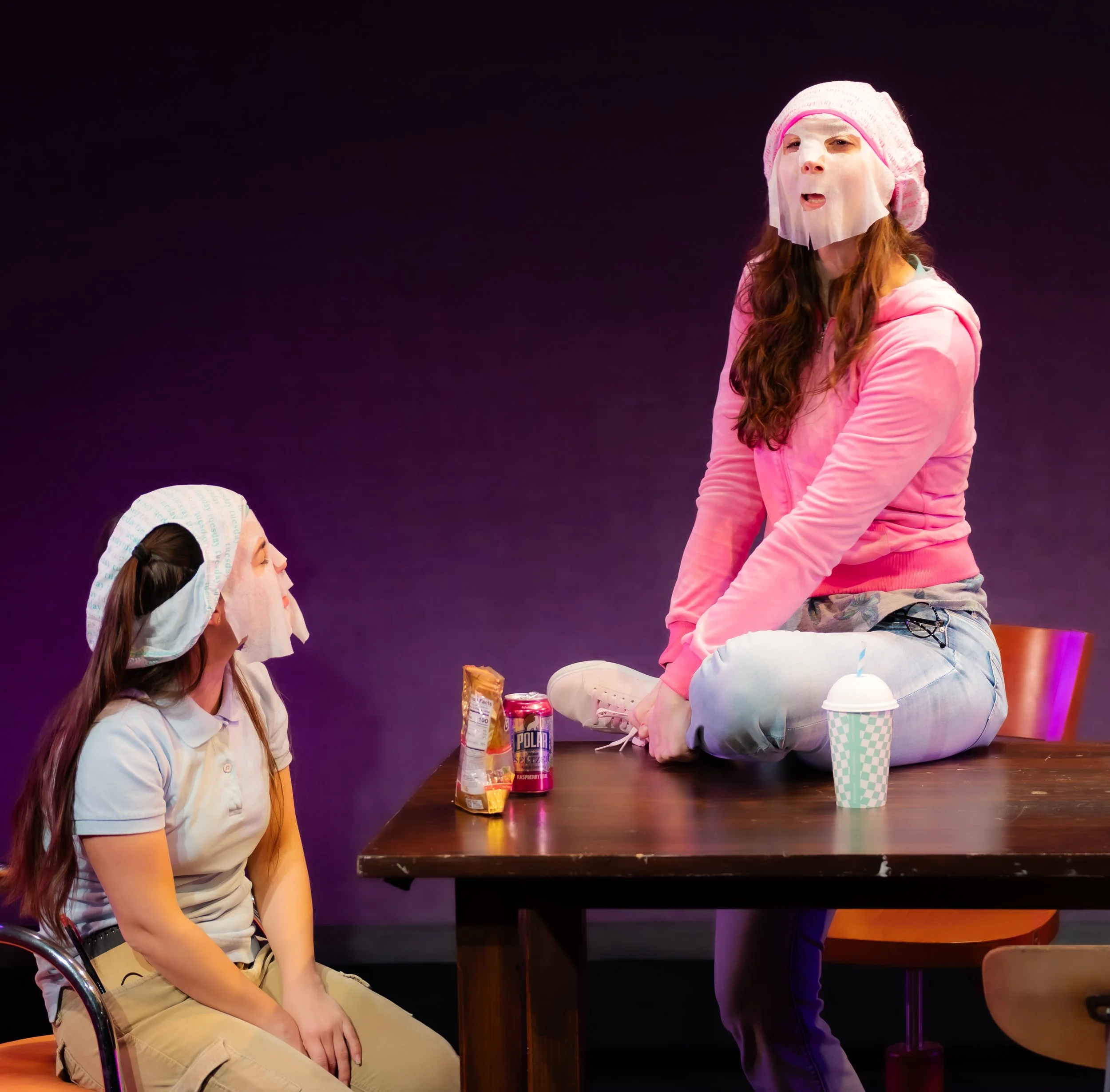
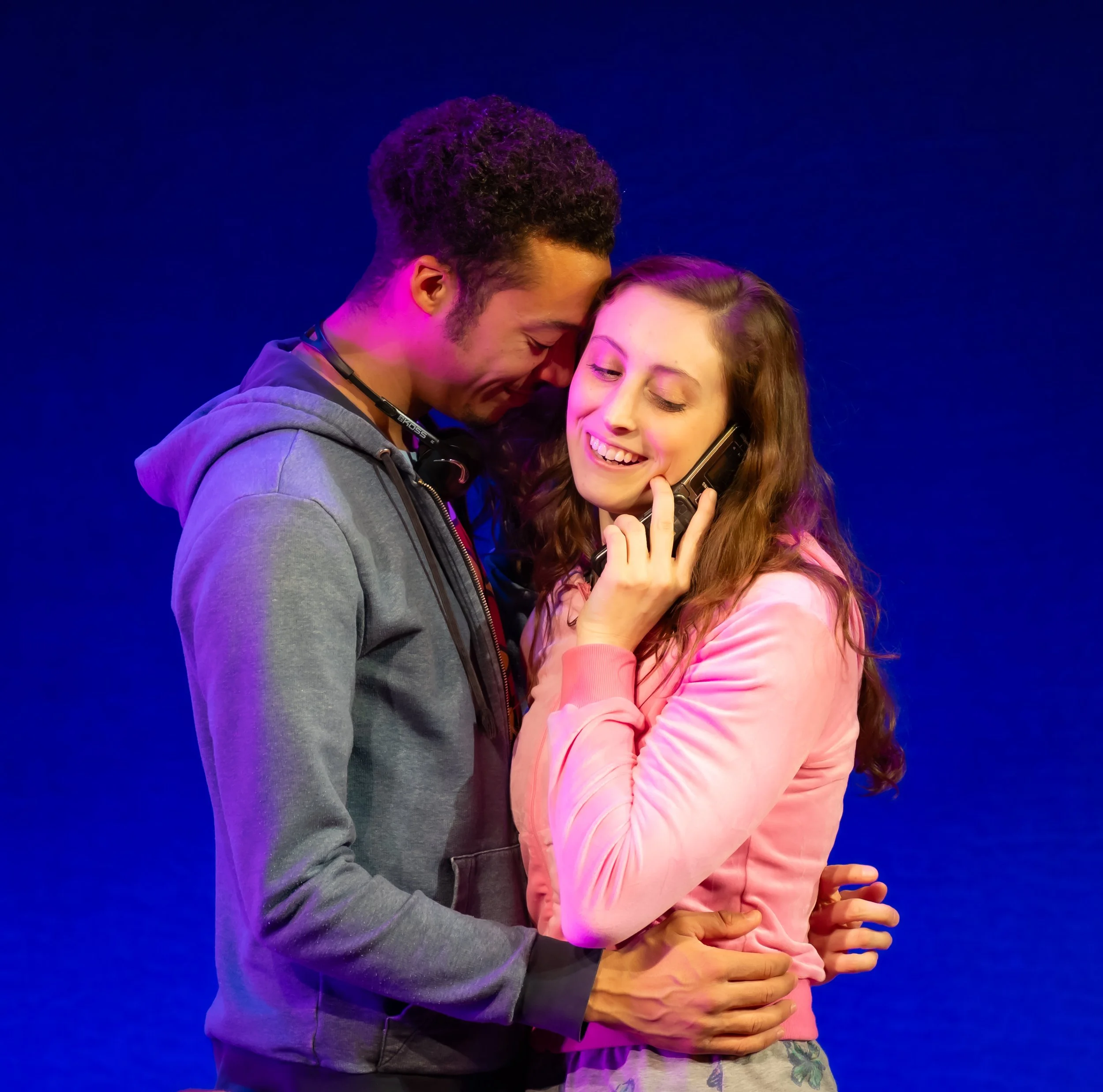
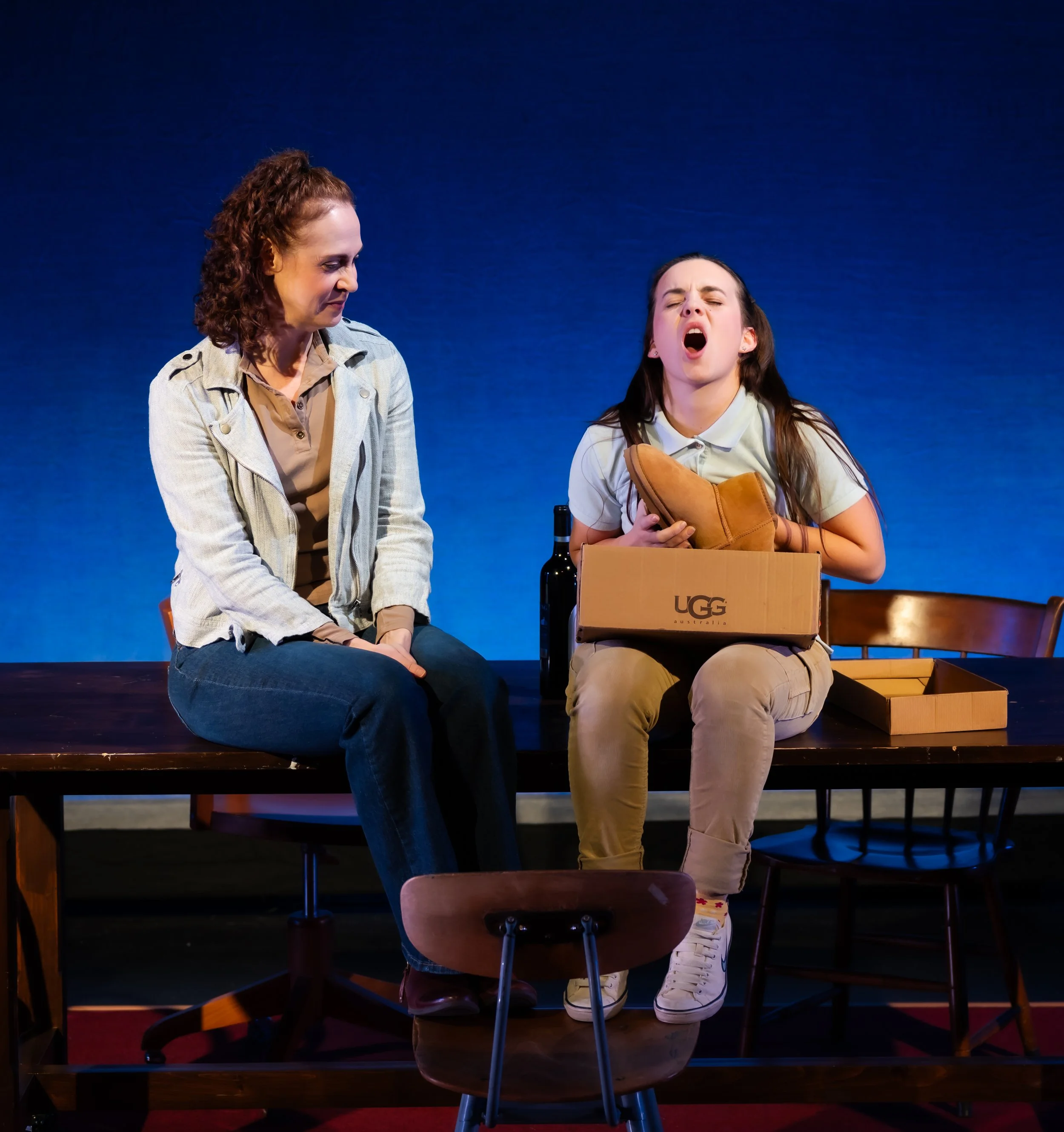
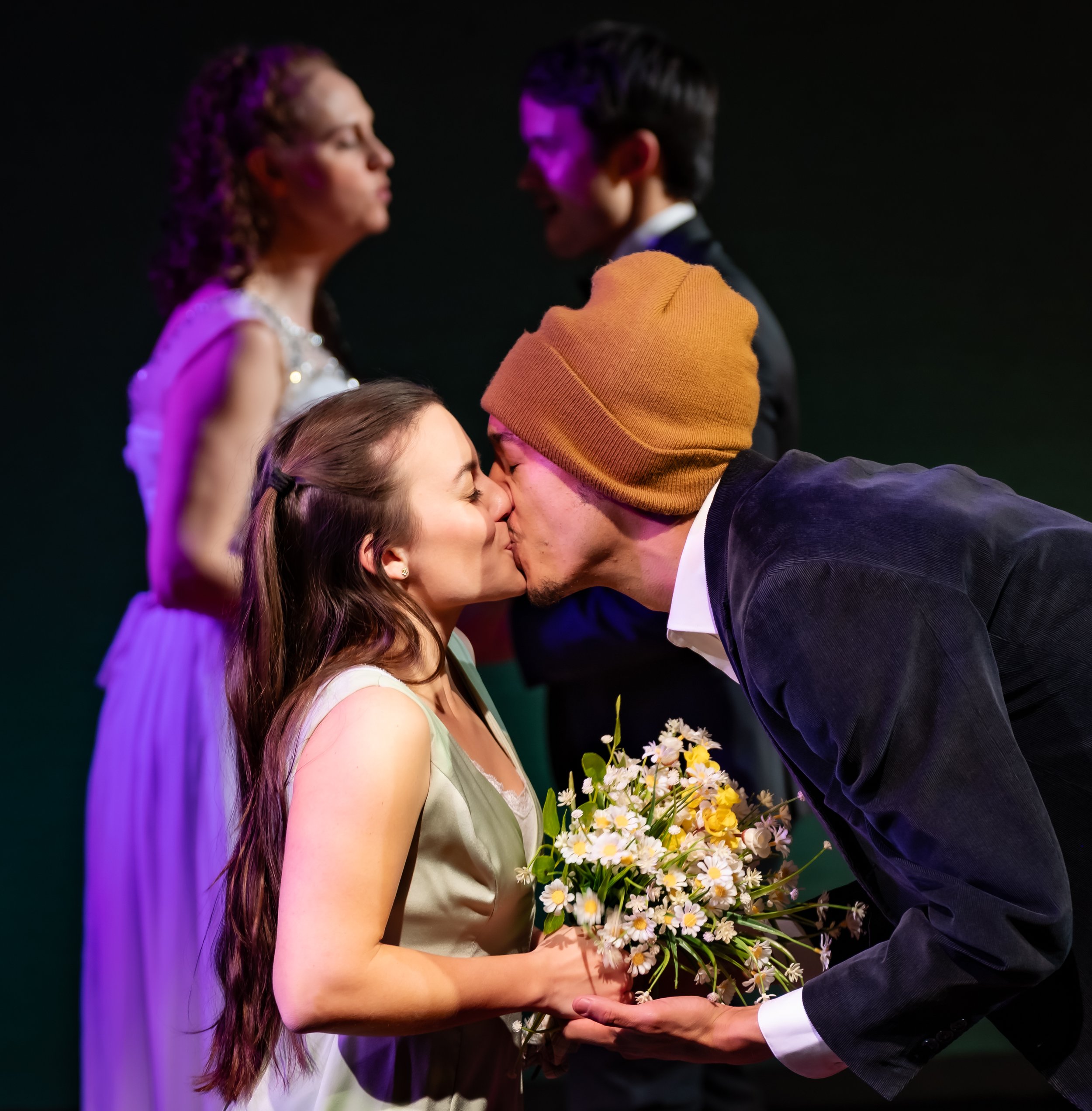
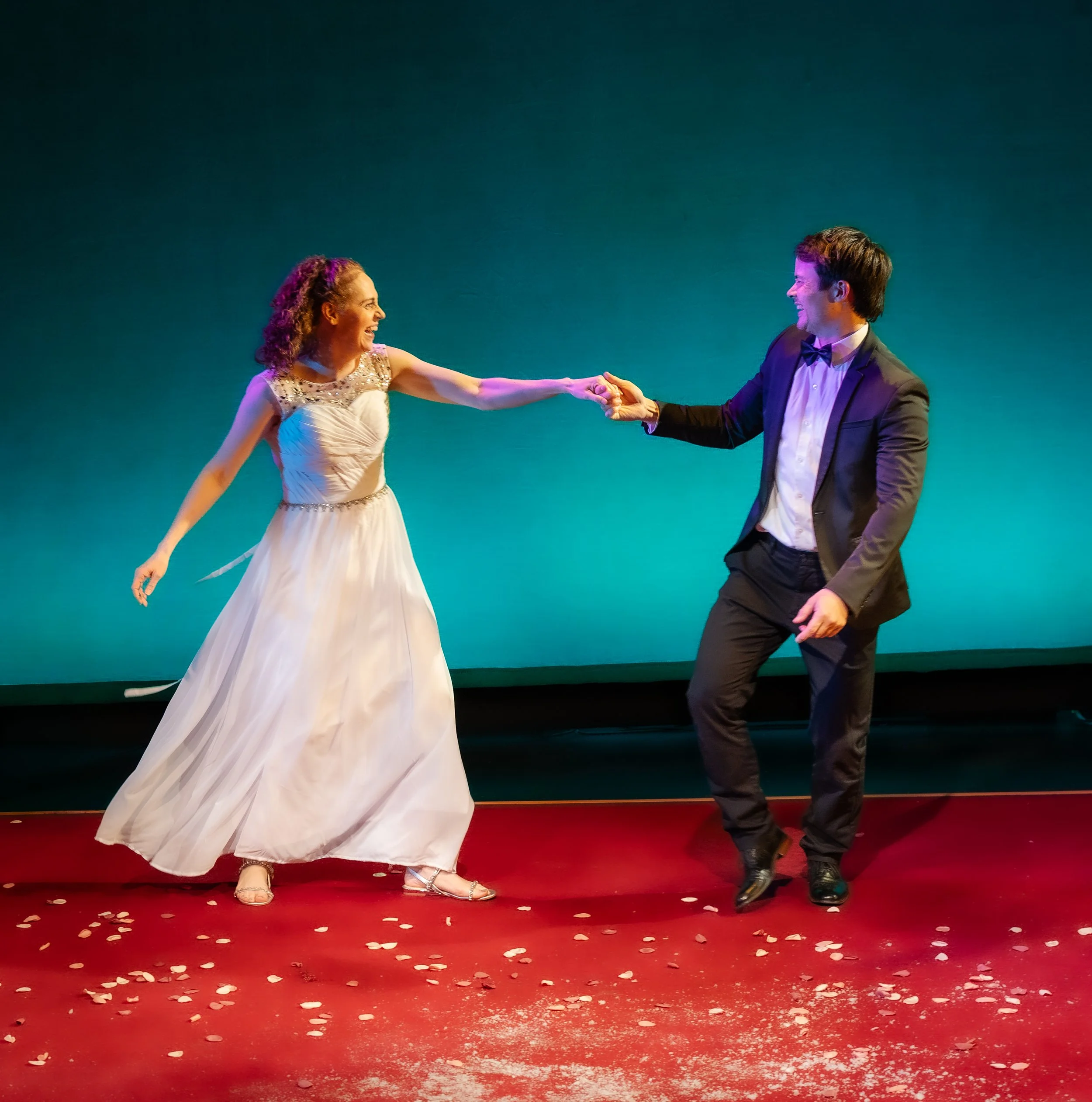
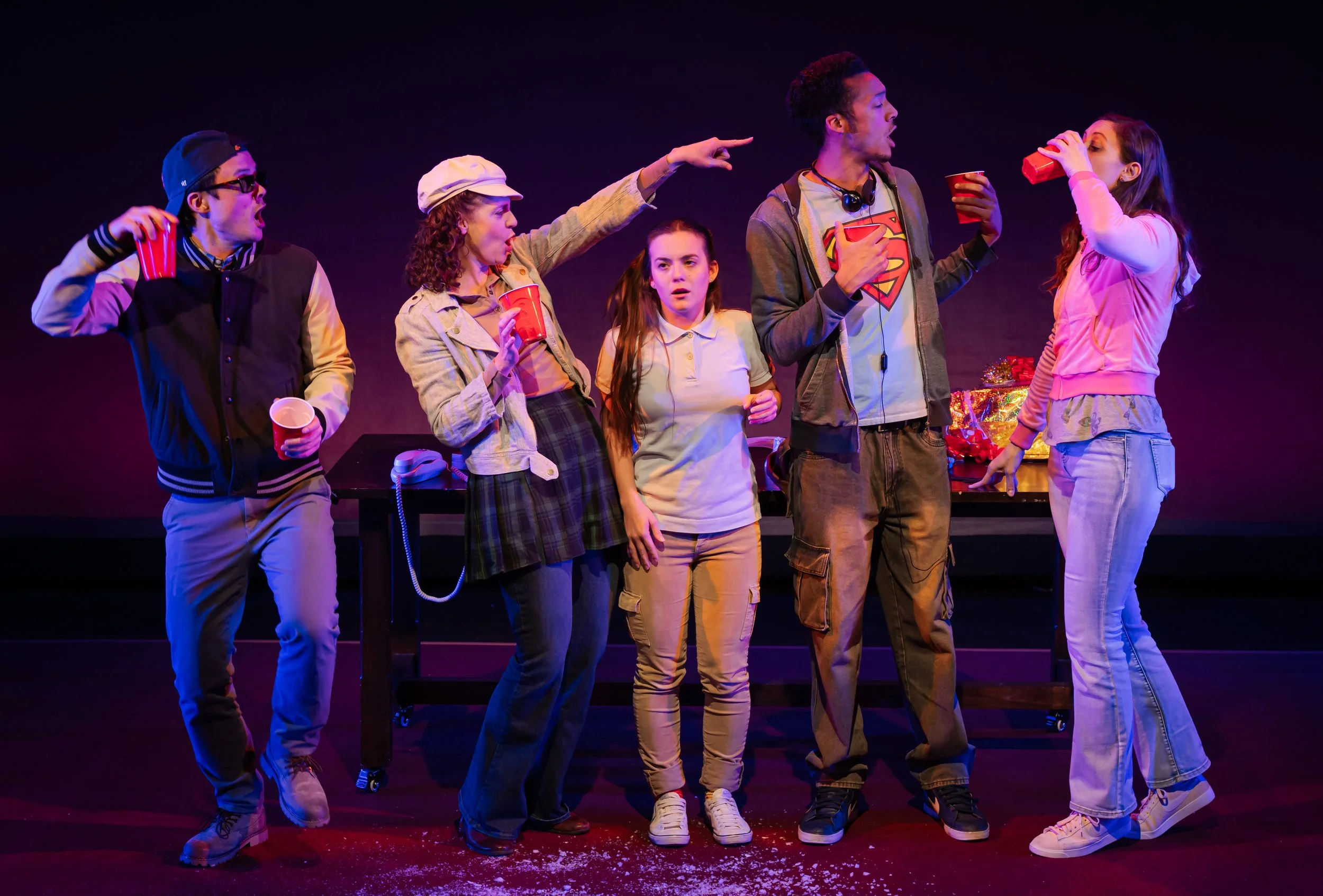
“Adapted from her novel, Rachel Vail’s script for If We Kiss arrives as a romantic comedy acutely attuned to the interior weather of adolescence — the charged silences, the moral vertigo, the way a single, impulsive act can reorganize an entire social universe. Its heroine, Charlotte “Charlie” Collins, is a teenager caught at the precise moment when innocence gives way to self-consciousness, when desire first announces itself not as pleasure but as complication. The inciting incident is almost laughably small yet the production and director Zachary Elkind understand, with admirable seriousness, that for a young person this is nothing less than an earthquake.
What If We Kiss captures, with rare delicacy, is the way young people experience such convergences as both comic and catastrophic. The play treats adolescent feeling with respect, refusing to condescend to its intensity while still allowing space for humor and grace. In doing so, it reminds us that first love is never merely personal: it is social, moral, and—when the generations begin to rhyme—quietly political.
What might, in a lesser telling, register as adolescent melodrama is here rendered with the grave, slow-burn inevitability of classical tragedy, its stakes measured not in kingdoms but in consciences.”
“If We Kiss is more realistic then most romcom cliches — even as it speeds toward a happy ending, it careens through the genuine ups-and-downs of adolescent emotions. How minimal? Well, during that first kiss, Charlie tells us, “So there I am, pressed up against a brick wall, kissing Kevin Lazarus. A decorative sticking-out brick is digging into my backbone, but I don’t want to wreck my first kiss by re-adjusting. I squeeze my eyes shut and try to concentrate.” To bring that to life, Hartke rushes onstage as Charlie speaks and shoves a brick into the small of her back. No building, just one brick. It’s so charming it earns its laugh.
For all the comedic touches, the show accurately captures the outsized terrors of high school.”
Shakespeare’s
RICHARD II


PRESS:
“Taut, compelling, inventive […] a trail-blazing production […] What makes this powerful investigation of the dangers of unchecked power work so well is the vision of director Elkind and costume designer Alyssa Korol. Performed in the round on a stage adorned only by a floor circle of flowers , four talented actors […] switch roles easily by donning sunglasses, hats and knee pads, often while turning on a dime from one character to another.” — NJ Arts Maven
“Hits you like a whirlwind […] With its speed, its energy and its unconventional staging, this is a consistently engaging production — one that should be applauded by Shakespeare aficionados, but that also could serve as a good introductory Shakespeare experience.” —New Jersey Arts


MARY STUART
by Friedrich Schiller
adapted by Rachel Vail
from the translation by Joseph Mellish


This play emerged from the question it felt like a lot of the theater world had all been asking ourselves for a while: how do you make theater when you’re trapped in your apartment? And one answer we came to was, of course, make your apartment a theater. What if, we thought, we could get a couple people over to my actual Brooklyn fourth-floor walkup apartment and do a play in there? And then film each act of the play in a single take, so it feels like a live theatrical event?
And that’s when we thought of MARY STUART. The play is grappling with national questions while resolutely focused on the personal scale: is it possible to be a “good” ruler? can power be virtuous? or does being in charge inherently lead to abuses of power? and what is the cost of striving to be good in an inherently flawed political system?

PRESS

Audacious […] This “Mary Stuart,” adapted by Rachel Vail from the translation by Joseph Mellish, works a bold contrast between the aureate language and the home-cooked D.I.Y. vibe of the production, which has the same playful quality the scrappy and always inventive Bedlam is known for […]
The four actors give generous performances, directed by Zachary Elkind with a snappiness that allows for each to contain multitudes: speedy, minute costume changes (a scarf, a pair of glasses, a blazer, a baseball cap) create the illusion of a whole English court without even the briefest interruption of a scene.
— The New York Times


JESUS CHRIST SUPERSTAR

Inspired by the York Mystery Plays, Maggie Rogers, and the natural beauty of Maine, this production moved throughout Ghostlight Theater Camp — from a campfire singalong to the makeshift Golgotha at the top of the hill. The audience followed the guitar-playing company as the story progressed and the sun set — we equipped the entire crowd with flashlights, passing through every space on camp (the Last Supper in the dining tent; watching the Pharisees through the windows of the rehearsal studios; Jesus’ arrest by the garbage cans). With stripped-down, acoustic arrangements and kinetic, action-based choreography blurring the line between performer and audience, the production was a ritual as much as a musical, keeping the spirit of the pre-show rendition of “Imagine” by the fire alive through the whole journey.


